

AI Is Reshaping Public Safety — and the Hardware Behind It Matters
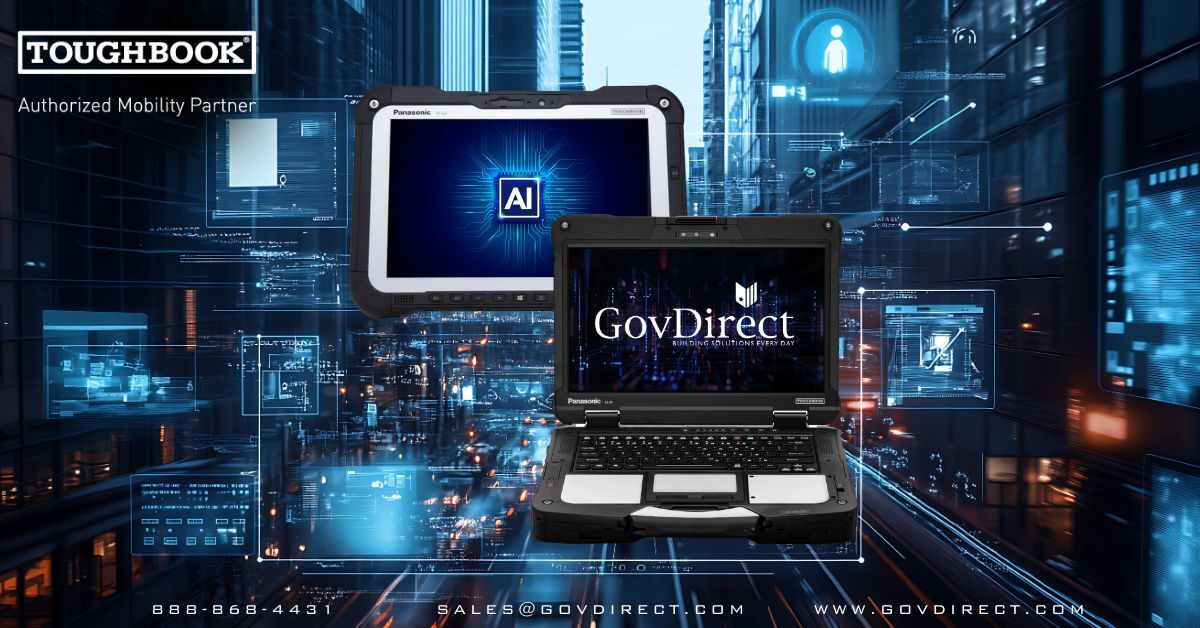
Artificial intelligence is no longer a distant concept in public safety. From data analysis and reporting to video, imagery, and future software-driven workflows, AI is steadily becoming part of how agencies operate, plan, and respond.
But while much of the conversation around AI focuses on software and analytics, one critical piece is often overlooked: the hardware in the field.
AI doesn’t exist in a vacuum. It depends on reliable, powerful, and flexible devices that can support evolving applications — all while surviving the realities of public safety environments.
AI in Public Safety Is About Readiness, Not Hype
For police, fire, and EMS agencies, AI adoption isn’t about chasing trends. It’s about preparing for tools that can improve efficiency, reduce administrative burden, and support better decision-making over time.
That readiness starts with platforms capable of handling:
- Increasing data volumes
- More advanced applications and workflows
- Longer device life cycles
- Secure, mission-critical operations in demanding environments
Without the right foundation, even the most promising AI software can fall short.
Why Rugged Mobility Is the Foundation for AI
Public safety devices aren’t used in controlled office settings. They’re deployed in vehicles, on scene, in extreme temperatures, and during critical moments when failure isn’t an option.
That’s where rugged mobility plays a crucial role.
Panasonic Toughbook platforms are designed with long-term adaptability in mind — making them well suited for agencies thinking not just about today’s needs, but tomorrow’s capabilities as well.
AI-Ready Platforms Built for Public Safety
Two Toughbook platforms stand out for agencies planning ahead:
- Toughbook G2 – A modular, flexible 2-in-1 platform that allows agencies to adapt configurations as software, connectivity, and operational needs evolve.
- Toughbook 40 – A fully rugged laptop designed for maximum performance, expandability, and longevity in the most demanding public safety environments.
Rather than locking agencies into a single moment in time, these platforms provide the flexibility to grow alongside new applications and AI-driven workflows as they mature.
Planning for AI Is a Process — Not a Product
The most successful public safety technology strategies don’t start with a single device or application. They start with thoughtful planning.
That includes evaluating:
- Current workflows and pain points
- Device life cycles and future scalability
- Software compatibility and security requirements
- Real-world conditions where technology is actually used
AI readiness isn’t about flipping a switch — it’s about building a foundation that won’t limit progress down the road.
A More Consultative Approach to AI Readiness
At GovDirect, our role isn’t to push buzzwords or one-size-fits-all solutions. We work with public safety agencies to assess where they are today and help plan rugged mobility solutions that support both current operations and future capabilities.
Whether an agency is actively exploring AI applications or simply wants to ensure their technology won’t become a roadblock, having the right hardware foundation is a critical first step.
Looking Ahead
AI will continue to influence public safety in meaningful ways — but its impact will depend heavily on the technology supporting it in the field.
Rugged, flexible, and future-ready platforms like Panasonic Toughbook help ensure agencies aren’t just reacting to change, but are prepared for it.
Rugged first. AI ready. Mission focused.